

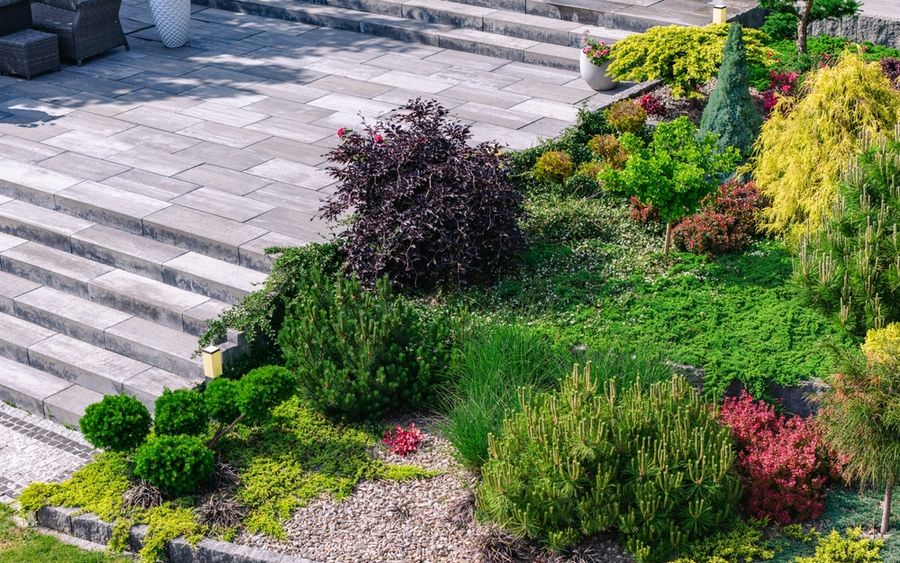
Many homeowners want a yard that looks great without long hours of work. The good news is that smart planning can give you a beautiful outdoor space with very little upkeep. By choosing the right plants, materials, and design tricks, you can cut back on watering, mowing, and weeding all year long. It's helpful to understand some of the best low-maintenance landscaping ideas that hold up well through every season, no matter where you live.
Plant Native Species That Thrive on Their Own
Native plants are one of the best choices for a yard that mostly takes care of itself. Native and regionally appropriate plants are adapted to local soils and climate conditions, so they rarely need extra fertilizer and tend to resist common pests and diseases better than non-native species (source). The result is less time spraying, feeding, or replacing sick plants every season.
Because these plants have grown in your region for a long time, they can handle the local weather without much help from you. Once their roots are settled, most natives can live on rainfall alone. You can mix flowering perennials, shrubs, and grasses that bloom or change color at different times to keep things interesting in spring, summer, and fall. In winter, evergreen native shrubs add shape and color when other plants fade. Pick a few that match your sunlight and soil type, and your yard can almost run on its own.
Try Xeriscaping for a Water-Smart Yard
Xeriscaping is a planting style built around saving water and reducing chores. It is guided by seven core ideas: good planning and design, healthy soil, choosing drought-tolerant plants and grouping them by water needs, using targeted irrigation like drip lines, limiting turf grass, applying mulch, and doing simple upkeep (source). Following these steps leads to a yard that holds its shape with very little input.
The result is a landscape that needs far less watering and mowing than a standard lawn. You can use plants like lavender, sedum, yarrow, ornamental grasses, and even cacti or agave if you live in a dry region. Many of these plants stay attractive through hot summers and keep their shape through cooler months. By grouping plants with similar water needs, you avoid overwatering some while under-watering others. Add gravel paths or stepping stones, and you get a yard that looks designed and tidy without daily attention. Xeriscaping is not just for the desert Southwest either, since the same principles work in many climates.
Use Mulch to Cut Down on Watering and Weeding
A thick layer of mulch is one of the simplest ways to make any landscape lower maintenance. Organic mulches help conserve soil moisture and prevent weed growth, which saves both time and water over the course of the year (source). A single afternoon of spreading mulch can replace many hours of weeding and watering later on in the growing season.
Mulch works in two main ways. First, it blocks sunlight so weed seeds cannot sprout and take hold. Second, it slows down evaporation, so the soil stays moist longer after each rain or watering. Wood chips, shredded bark, pine straw, and compost are popular options because they break down slowly and feed the soil as they age. A two-to-three-inch layer around plants and over bare soil is usually enough to do the job. Just leave a small gap around tree trunks and plant stems so they do not rot. Refresh the mulch once a year, and you will spend far less time pulling weeds or dragging out the hose.
Replace Lawn Areas with Hardscapes and Ground Covers
Traditional grass lawns can take a lot of work to keep green and healthy. Drought-tolerant landscaping cuts back on watering, fertilizing, and constant care while still giving you an attractive yard (source). Shrinking the lawn is often the single biggest step toward a truly low-maintenance landscape that still looks neat and welcoming.
You can swap part of your turf for hardscape features like gravel beds, stone paths, patios, or dry creek beds. These features need almost no upkeep beyond an occasional sweep or pulling a stray weed from the cracks. For the spots you want to keep green, try tough ground covers such as creeping thyme, sedum, or clover. They spread on their own, stay short, and need little to no mowing.
Ornamental grasses like blue fescue and feather reed grass add gentle movement and texture year-round. Mixing hard surfaces with sturdy ground covers gives you a finished, polished look without a weekly mowing routine, and it usually means you spend less on gas, fertilizer, and replacement seed too.
A Yard That Works for You, Not Against You
A yard that takes care of itself is not a dream — it is just the result of smart design. By focusing on native plants, xeriscape principles, generous mulch, and a mix of ground covers or hardscapes in place of large lawn areas, you can build an outdoor space that stays beautiful through every season with very little effort.
Start small, perhaps with one corner or one flower bed, and learn what grows best in your spot before expanding. Over time, you will spend less time on yard chores and far more time enjoying the view from your porch, while your plants and stones quietly do the work for you.