

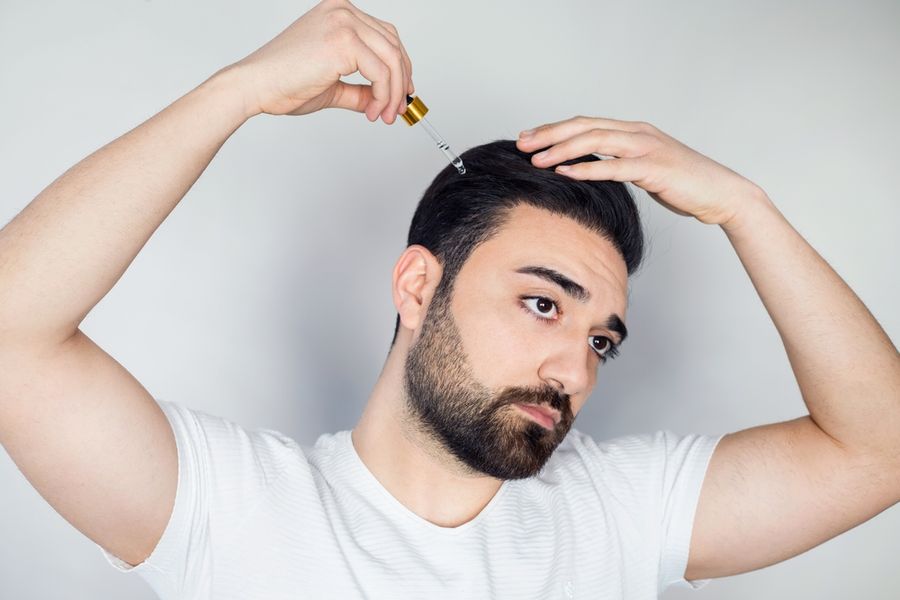
Hair growth is a common concern for many people in the United States, whether due to thinning, shedding, or slow growth over time. As a result, both scalp treatments and supplements have gained attention as possible solutions. Some focus on improving hair from the outside, while others aim to support it from within. But which approach is more effective? Understanding how each method works can help you decide what fits best into your routine.
How Hair Growth Actually Works
Hair growth begins beneath the surface of the skin, in small structures called hair follicles. These follicles go through cycles of growth, rest, and shedding. Healthy follicles are key to strong, consistent hair growth.
Many factors can affect this cycle, including stress, diet, hormones, and scalp condition. If the scalp is not healthy, it can create an environment that slows or disrupts growth. At the same time, if the body lacks key nutrients, the hair may not grow as strong or as quickly as it should.
What Do Scalp Treatments Do?
Scalp treatments are designed to improve the condition of the skin on your head. These can include oils, serums, exfoliating products, and massage tools. Their goal is to keep the scalp clean, balanced, and well-nourished.
A healthy scalp allows hair follicles to function more effectively. For example, removing buildup from products or excess oil can help prevent clogged follicles. Some treatments also improve blood flow through massage or active ingredients, which may support stronger hair growth over time.
How Do Supplements Support Hair Growth?
Hair supplements work from the inside by providing nutrients that support hair structure and growth. These often include vitamins and minerals such as biotin, zinc, and iron, along with other ingredients meant to support overall health.
If your body is lacking key nutrients, supplements may help fill those gaps. This can improve the strength and quality of new hair as it grows. However, if your diet already provides enough nutrients, adding supplements may not lead to noticeable changes.
Which Approach Is More Effective?
The answer depends on the root cause of the problem. If hair growth issues are linked to scalp conditions, such as buildup or poor circulation, scalp treatments may be more helpful. Improving the environment around the follicles can support better growth over time.
On the other hand, if the issue is related to nutrition, supplements may play a bigger role. For example, low levels of certain nutrients can affect how hair grows. In this case, supporting the body from within may lead to better results.
In many situations, the most effective approach is not choosing one over the other, but combining both. A healthy scalp and proper nutrition work together to support stronger, more consistent hair growth.
Are There Any Risks to Consider?
Both scalp treatments and supplements come with some risks if not used carefully. Some scalp products may cause irritation, especially for people with sensitive skin. It is important to test new products and avoid overuse.
Supplements can also have side effects, especially if taken in large amounts or combined with other products. Taking more than the recommended amount does not speed up results and may lead to unwanted effects. It is always best to follow guidelines and be cautious with long-term use.
How to Build a Balanced Routine
For those looking to improve hair growth, a balanced approach is often the most practical. This can include using gentle scalp treatments to maintain a clean and healthy environment while also focusing on a well-rounded diet.
Simple habits like regular scalp massage, avoiding harsh products, and eating nutrient-rich foods can make a difference over time. Paying attention to changes and adjusting your routine based on results can help you find what works best.
A Combined Approach Often Works Best
Scalp treatments and supplements both have their place in supporting hair growth, but neither is a guaranteed solution on its own. Each works in a different way, targeting different parts of the process.
For most people, the best results come from combining both approaches while maintaining healthy daily habits. By supporting the scalp and the body at the same time, you can create a stronger foundation for long-term hair growth and overall hair health.