

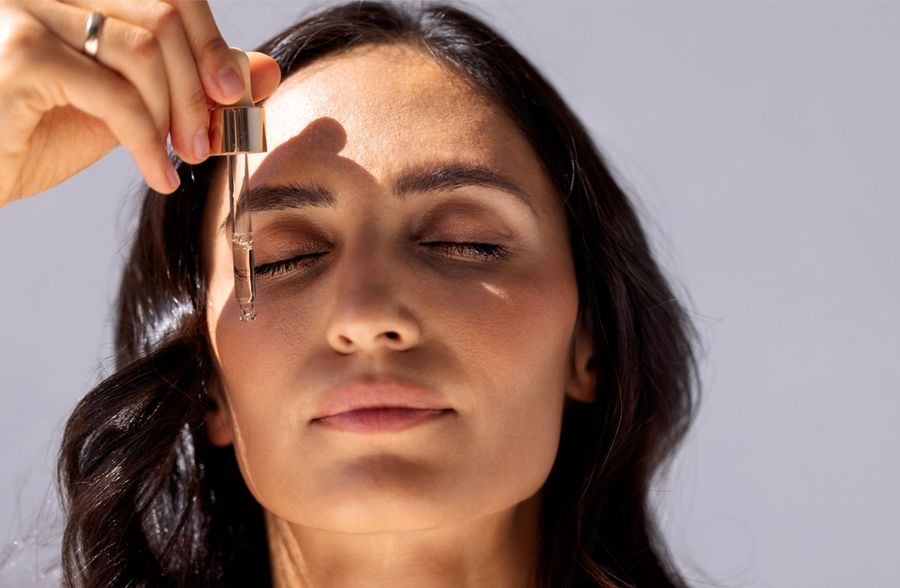
Skincare routines in the United States continue to evolve, with new ingredients gaining attention every year. One of the most talked-about options is peptide serums, which are often promoted as a way to reduce fine lines and support smoother, firmer skin over time. But with so many claims in the beauty space, it is worth understanding whether peptide serums truly deliver long-term results or if they are simply another passing trend.
What Are Peptides and How Do They Work?
Peptides are small chains of amino acids, which are the building blocks of proteins in the skin. These proteins, such as collagen and elastin, help keep the skin firm and smooth. As the body ages, the natural production of these proteins slows down, which can lead to wrinkles and sagging.
Peptide serums are designed to support this process by signaling the skin to produce more of these key proteins. When applied regularly, they may help improve the skin’s structure over time. While they do not replace natural production completely, they can play a supportive role in maintaining a healthier appearance.
Can Peptide Serums Reduce Signs of Aging?
Many people use peptide serums with the goal of reducing visible signs of aging. This includes fine lines, uneven texture, and loss of firmness. Peptides may help improve the skin’s surface by supporting hydration and strengthening the outer layer.
However, results are often gradual rather than immediate. Unlike products that offer quick but temporary changes, peptide serums tend to work slowly over time. Consistent use is important, and noticeable improvements may take several weeks or longer depending on the individual.
How Do Peptides Compare to Other Ingredients?
Peptides are often compared to other well-known skincare ingredients like retinol or vitamin C. Each of these ingredients works in a different way. Retinol focuses on increasing cell turnover, while vitamin C is known for brightening and protecting the skin.
Peptides are generally considered gentler than some of these alternatives. They are less likely to cause irritation, which makes them a good option for people with sensitive skin. However, they may also be less dramatic in their effects compared to stronger ingredients. For many people, combining peptides with other products can create a more balanced routine.
Can Peptides Support Skin Barrier Health?
Peptides may also play a role in supporting the skin barrier, which is essential for keeping moisture in and harmful elements out. A strong skin barrier helps reduce dryness, irritation, and sensitivity, all of which can make signs of aging more noticeable. By reinforcing this outer layer, peptide serums can help the skin maintain a smoother and more balanced appearance over time.
This benefit becomes especially important as skin ages, since the barrier can weaken and lose its ability to retain moisture effectively. When used consistently, peptide serums may help improve how the skin holds hydration and responds to daily stressors like weather and pollution. While this effect is subtle, it can support long-term skin health when combined with a well-rounded routine.
Are Peptide Serums Suitable for Everyone?
Peptide serums are widely used because they tend to be well tolerated by most skin types. They can be added to both simple and advanced skincare routines without causing major issues. This makes them appealing for people who want to improve their skin without using harsh treatments.
That said, individual results can vary. Skin type, age, and overall routine all play a role in how effective a product will be. Some people may notice smoother skin and better texture, while others may see only small changes. As with most skincare products, patience and consistency are key.
How to Use Peptide Serums Effectively
To get the most out of a peptide serum, it should be used as part of a consistent daily routine. Applying it to clean skin allows it to absorb more effectively. Following up with a moisturizer can help lock in hydration and support the skin barrier.
It is also important to use sunscreen during the day. Protecting the skin from sun exposure helps maintain any improvements gained from skincare products. Without this step, the effects of a peptide serum may be limited over time.
A Supportive Tool, Not a Standalone Solution
Peptide serums can be a useful addition to an anti-aging routine, especially for those looking for a gentle and steady approach. They may help support the skin’s natural processes and improve texture and firmness over time.
However, they are not a complete solution on their own. Long-term results usually come from a combination of good skincare habits, including sun protection, hydration, and a balanced routine. When used consistently and with realistic expectations, peptide serums can play a valuable role in maintaining healthy-looking skin.