

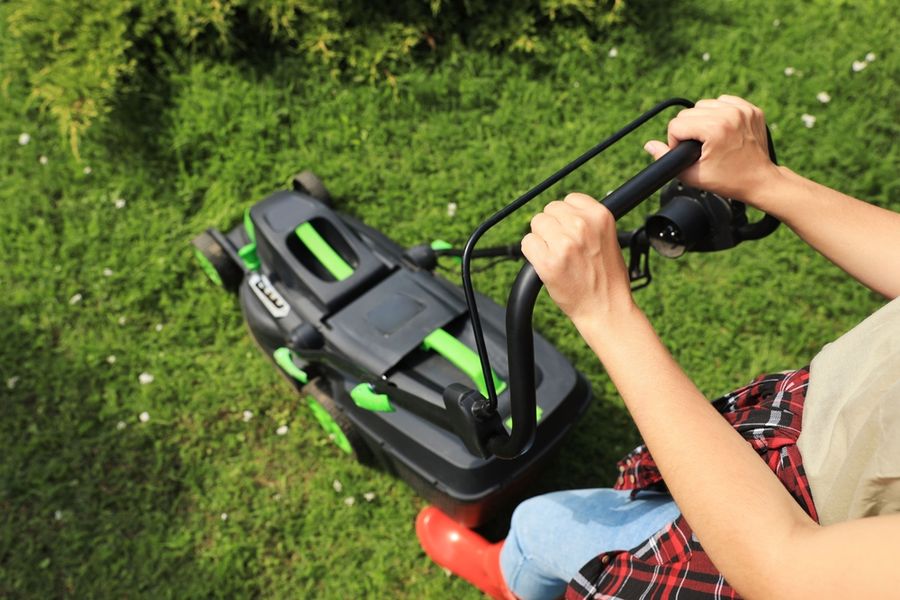
Lawn care is a regular task for many homeowners across the United States, and choosing the right mower can make a big difference. For years, gas-powered models have been the standard, but electric lawn mowers are becoming more common. They promise quieter operation, easier maintenance, and a cleaner way to cut grass. By assessing the top advantages, you can understand whether electric lawn mowers or gas-powered models are truly better.
How Do Electric and Gas Mowers Differ?
Electric lawn mowers run on either batteries or a power cord, while gas mowers rely on fuel and an engine. This basic difference affects how each type performs and how it is maintained.
Electric mowers are generally simpler to operate. They start with the push of a button and do not require fuel mixing or engine maintenance. Gas mowers, on the other hand, require more upkeep, including oil changes and refueling. However, they are often known for their power and ability to handle tougher mowing conditions.
Are Electric Mowers Easier to Use?
One of the biggest advantages of electric lawn mowers is ease of use. They are typically lighter and easier to push, which can make mowing less physically demanding. Starting the mower is also quicker, as there is no need to pull a cord or manage fuel.
Electric models are also quieter than gas-powered mowers. This can make the experience more pleasant and less disruptive, especially in neighborhoods where noise can be a concern. For many homeowners, this convenience is a major reason to consider switching.
How Do They Compare in Performance?
Performance is one of the key areas where differences become clear. Gas-powered mowers are often better suited for large yards or thick, overgrown grass. Their engines provide strong and consistent power, which can handle tougher conditions without slowing down.
Electric mowers have improved over time and can handle most standard lawns with ease. However, battery life can limit how long they can run before needing a recharge. For smaller to medium-sized yards, this is usually not a problem. For larger properties, it may require planning or extra battery capacity.
What About Maintenance and Long-Term Care?
Electric lawn mowers require less maintenance than gas models. There are no oil changes, fuel storage, or engine repairs to worry about. This makes them easier to manage over time, especially for people who prefer low-maintenance tools.
Gas-powered mowers require more attention. Regular maintenance is needed to keep the engine running smoothly. While this can add to the workload, some users prefer the reliability and long-term durability that gas engines can provide when properly cared for.
Are There Environmental Considerations?
Electric lawn mowers are often seen as a cleaner option. They do not produce direct emissions during use, which can make them more appealing for those looking to reduce their environmental impact. They also avoid the need for gasoline, which can be an added benefit.
Gas-powered mowers produce emissions and require fuel, which can contribute to air pollution. While they remain widely used, some homeowners are choosing electric models as part of a broader effort to adopt more environmentally friendly practices.
Which Option Fits Your Yard and Lifestyle?
Choosing between electric and gas mowers depends on your specific needs. Electric mowers are a strong option for those with smaller yards, lighter mowing needs, and a preference for convenience. They are easy to use, require less maintenance, and offer a quieter experience.
Gas mowers may be a better fit for larger properties or areas with thick grass. Their power and longer run time make them suitable for more demanding tasks. They are also a good choice for those who do not want to rely on battery charging or cords.
A Choice Based on Needs and Preferences
Electric lawn mowers offer clear advantages in ease of use, lower maintenance, and quieter operation. For many households, they provide a practical and efficient way to manage lawn care without the complexity of gas engines.
However, gas-powered models still have strengths, especially in power and endurance. The best choice depends on the size of your yard, the type of grass, and how you prefer to maintain your equipment. Both options can be effective, but the right one is the one that fits your lifestyle and lawn care needs.