

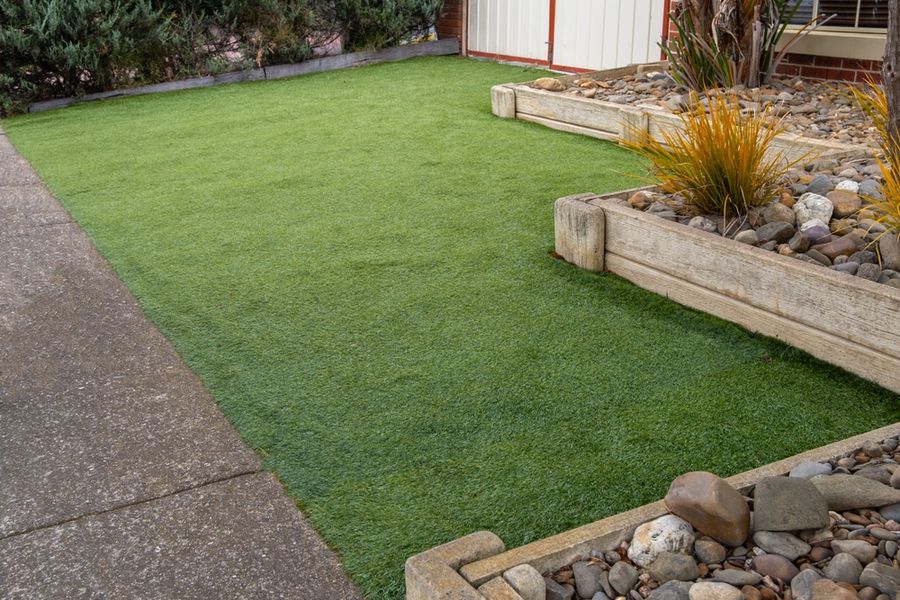
Maintaining a green lawn can take time, effort, and ongoing care, especially in different climates across the United States. From mowing and watering to dealing with seasonal changes, natural grass requires attention year-round. Many homeowners are turning to artificial turf as a possible alternative. It promises a clean, green look without the same level of upkeep. Understand whether artificial turf is truly a low-maintenance solution, and what kind of trade-offs to expect.
What Is Artificial Turf?
Artificial turf is a surface made from synthetic fibers designed to look like natural grass. It is commonly used in sports fields, but it has become more popular in residential yards, patios, and outdoor spaces. The goal is to create a consistent appearance without the need for traditional lawn care.
Modern turf is designed to feel softer and look more natural than older versions. It often includes layers underneath that help with drainage and stability. While it does not grow or change with the seasons, it is built to maintain its look over time with minimal effort.
How Does It Reduce Maintenance?
One of the main reasons people consider artificial turf is the reduced maintenance. There is no need to mow, water, or fertilize, which can save both time and effort. This can be especially helpful in areas where water use is limited or where maintaining grass is more difficult.
Artificial turf also stays green throughout the year, regardless of weather conditions. This eliminates the need to reseed or repair patches caused by heavy use or changing seasons. For many homeowners, this consistency is one of the biggest advantages.
What Maintenance Is Still Required?
Although artificial turf is often described as low-maintenance, it is not completely maintenance-free. Leaves, dirt, and debris can still collect on the surface and need to be removed regularly. This may involve brushing or rinsing the turf to keep it clean.
In homes with pets, additional care may be needed. Cleaning and managing odors can require more attention, especially in warm weather. Over time, certain areas may also become flattened and need to be brushed to restore their appearance. While the effort is less than natural grass, it is not zero.
How Does It Perform in Different Climates?
Artificial turf can perform differently depending on the climate. In hot regions, the surface can become warm under direct sunlight, which may make it uncomfortable to walk on during peak hours. This is something to consider for families with children or pets.
In cooler or rainy areas, turf can handle moisture well due to built-in drainage systems. It does not become muddy like natural grass, which can be a benefit during wet seasons. However, proper installation is important to ensure that water drains effectively and does not pool on the surface.
Are There Environmental Considerations?
Artificial turf can reduce water use, which is a benefit in areas facing water shortages. It also eliminates the need for fertilizers and pesticides, which can reduce chemical use in the yard.
At the same time, it is made from synthetic materials, which raises concerns about long-term environmental impact. It does not support natural soil health or local ecosystems in the same way that real grass does. For those focused on sustainability, this can be an important factor when deciding.
Is It a Good Fit for Every Home?
Artificial turf works well for some homes but not all. It is often a good option for people who want a clean, consistent look without regular lawn care. It can also be useful in spaces where natural grass struggles to grow, such as shaded areas or high-traffic zones.
However, those who enjoy gardening or prefer a natural outdoor environment may find it less appealing. The feel and appearance, while improved, are still different from real grass. Personal preference plays a large role in whether it is the right choice.
A Practical Option with Trade-Offs
Artificial turf can be a low-maintenance alternative that simplifies yard care and provides a consistent appearance year-round. It reduces the need for watering and mowing, making it appealing for busy households or challenging climates.
However, it is not completely maintenance-free and comes with its own set of considerations. Climate, environmental impact, and personal preference all play a role in the decision. For many homeowners, it can be a practical solution, but it is important to weigh both the benefits and the trade-offs before making the switch.