

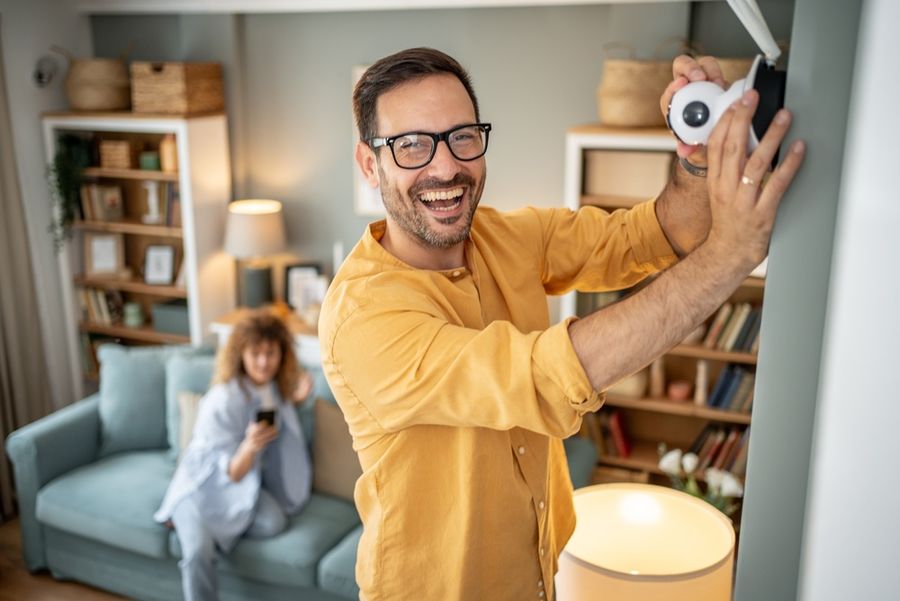
Home security is a top priority for many households across the United States. With more options available than ever, homeowners can now choose between do-it-yourself (DIY) systems and professionally installed security setups. DIY systems promise flexibility and control, while professional services offer full support and monitoring. It's helpful to understand whether a DIY home security system can provide the same level of protection as a professional system.
What Is a DIY Home Security System?
A DIY home security system is one that you install and manage yourself. These systems often include cameras, motion sensors, door and window alarms, and mobile apps that allow you to monitor your home in real time.
One of the biggest advantages is ease of setup. Many DIY systems are designed to be user-friendly, with simple instructions and wireless components. This allows homeowners to install them without needing special tools or professional help. It also gives users full control over how the system is set up and used.
Top DIY Home Security Choices
Several well-known brands have made DIY home security more accessible by offering complete, easy-to-install systems. Companies like Ring, SimpliSafe, and Arlo provide a range of devices that can be customized based on the size and layout of your home.
These brands often include features such as mobile alerts, cloud video storage, and optional monitoring services. Many systems are designed to work together within a single app, which helps simplify control and makes it easier to manage your home security from one place.
How Do Professional Systems Work?
Professional home security systems are typically installed and monitored by a service provider. Technicians handle the setup, ensuring that cameras, sensors, and alarms are placed in the most effective locations. Many systems also include 24/7 monitoring.
With professional monitoring, alerts are sent to a central service that can respond quickly if something unusual is detected. This may include contacting emergency services if needed. This added layer of support can provide peace of mind, especially for those who want constant oversight.
Are DIY Systems Effective for Everyday Protection?
DIY systems can be very effective for basic home security needs. They allow homeowners to monitor activity, receive alerts, and take action when necessary. For many households, this level of control is enough to deter potential problems.
Modern DIY systems often include features like motion detection, live video feeds, and mobile notifications. These tools can help users stay informed about what is happening at home, even when they are away. When used properly, they can provide a strong level of everyday protection.
Where Do DIY Systems Fall Short?
While DIY systems offer many benefits, they do have limitations. One of the main challenges is the lack of professional monitoring. If an alert is triggered, it is up to the homeowner to respond. This can be difficult if you are asleep, busy, or unable to check your phone.
Installation can also affect effectiveness. If devices are not placed correctly, certain areas may not be fully covered. This can create gaps in security that may go unnoticed. Without expert guidance, it may take time to find the best setup for your home.
What Advantages Do Professional Systems Offer?
Professional systems offer a higher level of support and reliability. Expert installation ensures that devices are placed in the most effective locations. This can improve overall coverage and reduce the risk of missed activity.
The biggest advantage is monitoring. Having a team that can respond to alerts at any time adds an extra layer of security. This is especially useful for households that want constant protection without having to manage every detail themselves.
Which Option Fits Your Lifestyle?
Choosing between DIY and professional systems depends on your lifestyle and preferences. DIY systems are ideal for people who want flexibility and control. They work well for those who are comfortable managing their own setup and monitoring.
Professional systems are better suited for those who prefer a hands-off approach. If you want continuous monitoring and expert support, this option may be more appealing. It can also be a good fit for larger homes or properties with more complex security needs.
Can You Combine Both Approaches?
Some homeowners choose to combine elements of both systems. For example, you might use a DIY camera setup for daily monitoring while also having a professionally monitored alarm system. This approach can provide both flexibility and added security.
Combining systems allows you to customize your setup based on your needs. It also gives you the option to expand or adjust your security over time without starting from scratch.
A Balance Between Control and Support
DIY home security systems can be effective for many households, offering convenience, flexibility, and real-time monitoring. They are a strong option for those who want to take an active role in protecting their home.
However, professional systems still offer advantages in terms of support and reliability. The best choice depends on how much involvement you want and the level of security you need. For many people, finding a balance between control and professional support leads to the most effective solution.