

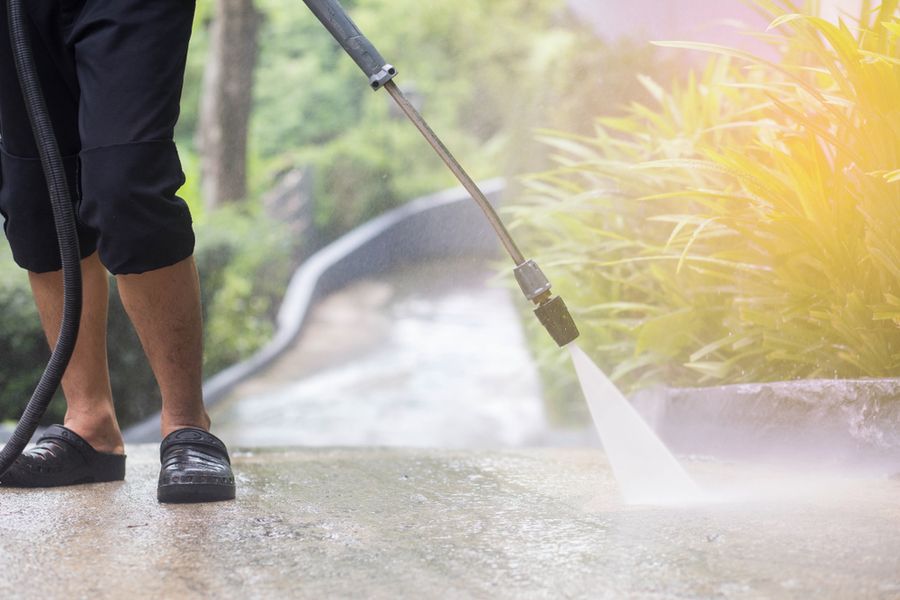
Outdoor surfaces across the United States take on a lot over time. Dirt, mold, algae, and weather exposure can leave driveways, decks, and siding looking worn and dull. Many homeowners turn to pressure washing as a quick way to bring many surfaces back to life. The strong stream of water can remove years of buildup in a short time. Understand whether pressure washing is truly the most effective method for your outdoor areas.
What Is Pressure Washing and How Does It Work?
Pressure washing uses a high-powered stream of water to clean surfaces. The force of the water helps break apart dirt, grime, and other buildup that sticks over time. Different pressure levels can be used depending on the surface being cleaned.
This method is often used on driveways, sidewalks, patios, and siding. Some machines also allow the use of cleaning solutions to improve results. The combination of water pressure and cleaning agents can make a noticeable difference in how a surface looks after just one session.
What Makes It So Effective?
One of the main reasons pressure washing is popular is how quickly it works. Surfaces that look heavily stained can often be cleaned in a short amount of time. This makes it appealing for homeowners who want fast results without spending hours scrubbing.
It is also effective at reaching areas that are hard to clean by hand. Cracks, corners, and textured surfaces can trap dirt that is difficult to remove with basic tools. The strong water stream can reach into these spaces and wash away buildup more easily.
Does It Work for All Surfaces?
Pressure washing works well on many outdoor surfaces, but not all materials respond the same way. Hard surfaces like concrete, brick, and stone are usually strong enough to handle high pressure and can benefit the most from this method.
More delicate surfaces, such as wood, painted siding, or gutters, may require lower pressure or a different approach. Using too much force can cause damage, including chipping, splintering, or stripping paint. Understanding the surface type is important before starting.
Are There Risks to Consider?
While pressure washing is effective, it can also cause problems if not used correctly. High pressure can damage surfaces, especially if the nozzle is too close or the setting is too strong. This can lead to costly repairs if mistakes are made.
There is also the risk of water getting into areas where it should not be, such as behind siding or into small cracks. This can lead to moisture problems over time. Using the right technique and being careful with water direction can help reduce these risks.
How Does It Compare to Other Cleaning Methods?
Pressure washing is often faster than traditional cleaning methods, but it is not always the best choice. For some surfaces, gentle cleaning with a brush and cleaning solution may be safer and more effective.
There is also a method called soft washing, which uses lower pressure combined with cleaning agents. This approach is often used for more delicate surfaces like roofs or painted areas. While it takes more time, it can reduce the risk of damage while still delivering good results.
When Is Pressure Washing the Best Option?
Pressure washing is most effective when dealing with heavy buildup on strong surfaces. Driveways, sidewalks, and stone patios are good examples where this method can restore appearance quickly and efficiently.
It is also useful for seasonal cleaning, such as preparing outdoor spaces for warmer months. Removing dirt and buildup can make a space look fresher and more inviting. However, choosing the right settings and approach is key to getting the best results.
How to Use It Safely and Effectively
To use pressure washing safely, it is important to match the pressure level to the surface. Starting with a lower setting and adjusting as needed can help prevent damage. Keeping a safe distance from the surface also reduces the risk of harm.
Testing a small area first can help you see how the surface reacts. This allows you to make adjustments before cleaning a larger space. Taking time to use the equipment properly can lead to better results and fewer problems.
A Powerful Tool with Limits
Pressure washing can be one of the most effective ways to restore outdoor surfaces, especially when dealing with tough buildup on durable materials. It offers fast results and can make a noticeable difference in the look of a space.
However, it is not a one-size-fits-all solution. Different surfaces require different levels of care, and using too much pressure can cause damage. When used correctly, pressure washing is a powerful tool, but understanding its limits is just as important as using its strength.