

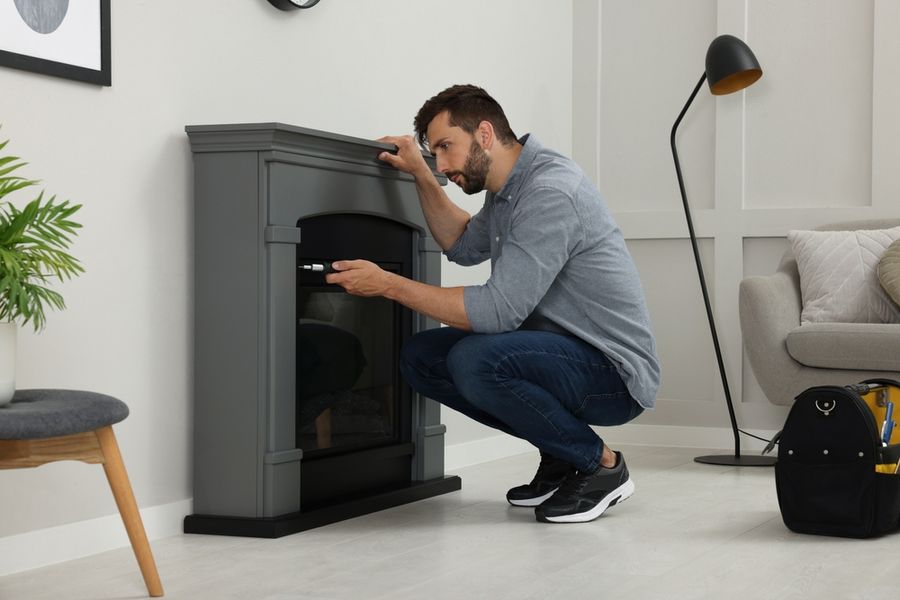
A fireplace can make a home feel warm and welcoming, but the way it works matters more than you might think. Many families across the United States are now moving from old wood-burning fireplaces to modern electric models. The switch can mean cleaner air, easier use, lower waste, and a safer home. If you have been thinking about making the transition, it's helpful to understand the biggest benefits of going electric in your living room.
Cleaner Indoor and Outdoor Air
Wood-burning fireplaces give off smoke that contains tiny pieces of pollution called fine particles, or PM2.5. These bits are small enough to travel deep into the lungs, where they can trigger asthma attacks, bronchitis, and other breathing problems (source). Some of these particles also drift back inside the home through doors, windows, and small gaps, which lowers the indoor air quality in the rooms where your family eats, plays, and sleeps.
The scale of this pollution is bigger than many people realize. Residential wood smoke puts out more PM2.5 than all on-road and off-road vehicles combined, and several times more than many large industries put together (source). Electric fireplaces, by contrast, do not burn any fuel inside the home. They make no smoke, no soot, and no fine particles. That means cleaner air for kids, older adults, and anyone who deals with allergies or asthma. Each home that stops burning wood also helps the whole neighborhood breathe a little easier on cold winter days, when smoke tends to settle close to the ground instead of drifting away.
Better Heating Efficiency and Less Wasted Fuel
Traditional wood-burning fireplaces are not very efficient. Overall efficiency is the share of heat from the fuel that actually warms the room, and most open wood fireplaces send a large portion of that heat straight up the chimney rather than into your home (source). A lot of the wood you pay for, or chop yourself, ends up basically wasted as warm air pulled out of the house.
Electric fireplaces work in a very different way. They turn almost all of the electricity they use into heat that stays in the room, because there is no chimney or flue pulling warm air outside. You can also focus heat only on the spaces you actually use, which is sometimes called zone heating. By warming the living room or bedroom while turning the central thermostat down a few degrees, you can stay comfortable without heating the whole house. For families that spend most of their evenings in one or two rooms, this kind of targeted heating can reduce energy waste through the season.
Easier Use and Less Routine Work
A wood-burning fireplace can be a real chore. You have to buy or chop firewood, store it somewhere dry, carry it inside, build the fire, watch it carefully, and then clean up the ashes afterward. Chimneys also need to be inspected and swept on a regular basis so they stay safe to use and work the way they should.
An electric fireplace removes almost all of that work. You turn it on with a switch, a remote, or sometimes a phone app. There is no wood to haul, no ash to scoop, and no chimney to clean. Many models let you adjust the flame look, color, brightness, and heat level with the push of a button. You can also enjoy the look of dancing flames without any heat at all, which is nice in the summer or in warmer parts of the country. For busy households, this kind of simple, push-button comfort is one of the biggest everyday benefits.
Improved Safety for Your Family
Children are more at risk from wood smoke because their lungs are still growing and they breathe more air per pound of body weight than adults do (source). Older adults and people with heart or lung disease are also more sensitive to the fine particles in smoke. Cutting smoke at home helps protect the people most likely to be affected by poor air quality.
Electric fireplaces also reduce some of the common fire hazards linked to traditional fireplaces. There are no flying sparks, no hot embers rolling onto a rug, and no buildup of creosote inside a chimney that can later catch fire (source). Many models stay cool to the touch on the outside or shut off on their own if they overheat or tip over. The flames you see are just LED lighting, so there is no real flame to worry about around curious pets or small kids. That peace of mind alone is reason enough for many families to make the change, especially in homes with young children or older relatives.
A Warmer, Cleaner Choice for Modern Homes
Switching from a wood-burning fireplace to an electric one can be a smart move for many U.S. households. You get cleaner air inside and out, better use of the energy you pay for, far less work day to day, and a safer setup for the people and pets you care about.
Even if you love the classic look of crackling logs, today's electric fireplaces have come a long way, with flame effects that look surprisingly real. Going electric is a simple step toward a healthier, easier, and more comfortable home.