

Many people in the United States are searching for ways to feel more energized throughout the day. While sleep and exercise play a big role, diet is often at the center of the conversation. Plant-based diets have become more popular, with claims that they can improve energy, focus, and overall well-being. It's helpful to understand whether eating more plant-based foods is really the most effective way to boost energy.
What Is a Plant-Based Diet?
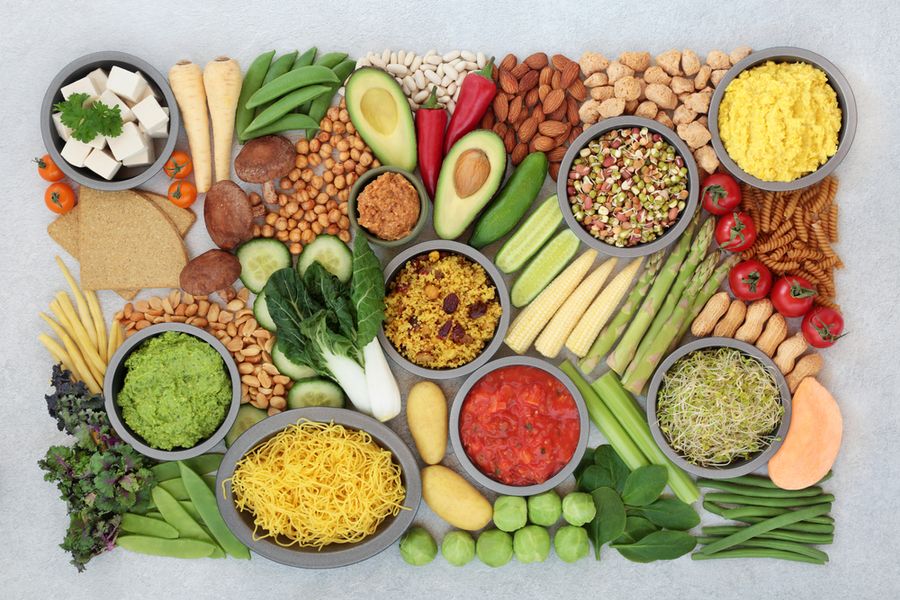
A plant-based diet focuses on foods that come from plants, such as fruits, vegetables, grains, nuts, seeds, and legumes. Some people follow it strictly and avoid all animal products, while others include small amounts of meat or dairy but still prioritize plant foods.
The key idea is not just removing certain foods, but replacing them with nutrient-rich options. Whole plant foods tend to be high in vitamins, minerals, and fiber, which can support overall health. However, simply cutting out animal products without adding balanced alternatives may not lead to better energy.
How Plant-Based Foods Support Energy
Plant-based foods can help support steady energy levels throughout the day. Many of these foods contain complex carbohydrates, which break down slowly and provide a steady release of energy instead of quick spikes and crashes.
Foods like oats, brown rice, beans, and vegetables also contain fiber, which helps keep blood sugar levels more stable. This can prevent the sudden drops in energy that often happen after eating highly processed or sugary foods. In addition, plant foods are rich in nutrients that support the body’s natural energy production.
Can a Plant-Based Diet Improve Daily Energy?
Some people report feeling more energized after switching to a plant-based diet. This may be due to eating fewer processed foods and more whole ingredients. When meals are built around fresh, balanced foods, the body may function more efficiently.
However, the results are not automatic. A plant-based diet that relies heavily on refined foods, like white bread or sugary snacks, may not improve energy at all. The quality of the food matters more than the label. A well-planned diet can support energy, while a poorly planned one can leave you feeling tired.
Are There Any Nutrient Gaps to Watch?
One challenge of a plant-based diet is making sure you get all the nutrients your body needs. Certain nutrients, such as vitamin B12, iron, and protein, are often found in higher amounts in animal products.
Without careful planning, low levels of these nutrients can lead to fatigue. For example, iron plays a key role in carrying oxygen through the body, and low levels can make you feel tired. This does not mean plant-based diets are unhealthy, but it does mean they require attention to balance and variety.
Is It Better Than Other Diets for Energy?
A plant-based diet can be effective for boosting energy, but it is not the only way. Other balanced diets that include lean proteins, healthy fats, and whole grains can also support steady energy levels.
What matters most is how the diet is structured. Eating regular meals, choosing whole foods, and avoiding large amounts of processed items are key factors. A plant-based approach can make this easier for some people, but it is not a one-size-fits-all solution.
How to Start a Plant-Based Approach
For those interested in trying a plant-based diet, starting slowly can make the transition easier. You might begin by adding more plant-based meals each week instead of making a sudden change.
Focus on building meals that include a mix of carbohydrates, protein, and healthy fats. For example, a bowl with grains, beans, vegetables, and nuts can provide balanced energy. Paying attention to how you feel can help you adjust your choices over time.
A Powerful Option That Depends on Balance
Plant-based diets can be a strong way to support better energy levels, especially when they focus on whole, nutrient-rich foods. They can help provide steady fuel for the body and reduce energy crashes caused by processed meals.
However, they are not automatically the most effective choice for everyone. The key is balance, planning, and consistency. When done well, a plant-based diet can boost energy, but like any approach, it works best when it meets your individual needs and lifestyle.