

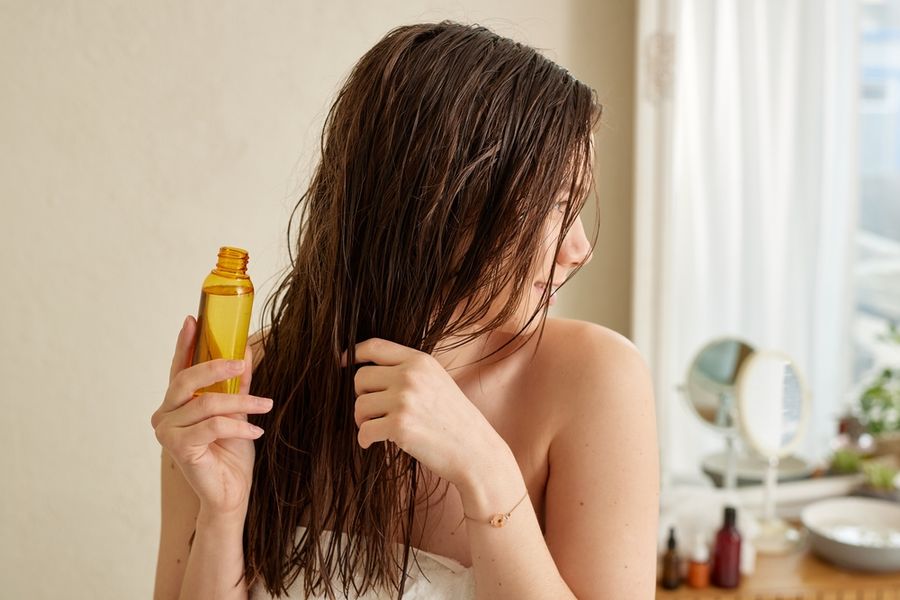
Frizz and hair damage are common concerns across the United States, but the causes can vary depending on the climate. Humid regions can lead to puffiness and swelling, while dry climates often cause brittleness and breakage. Hair oils are often promoted as a simple fix for both issues. But can one solution really work in every environment? Understanding how hair oils function can help determine whether they are a reliable answer or just part of the solution.
What Do Hair Oils Actually Do?
Hair oils are designed to coat the hair shaft and create a protective barrier. This barrier helps lock in moisture and smooth the outer layer of the hair, which can reduce frizz and improve shine. Oils can also make hair feel softer and easier to manage. They're also beneficial for the scalp.
However, hair oils do not deeply repair damage inside the hair. Instead, they mainly improve how the hair looks and feels on the surface. This means they can help control frizz and dryness, but they do not fully reverse structural damage caused by heat, chemicals, or over-styling.
How Do Hair Oils Perform in Humid Climates?
In humid climates, hair tends to absorb moisture from the air, which can cause swelling and frizz. Hair oils can help by forming a barrier that limits how much moisture enters the hair shaft. This can make a noticeable difference in controlling puffiness.
That said, using too much oil can weigh hair down and make it look greasy. Lightweight oils are often better in humid environments because they smooth the hair without adding excess heaviness. The goal is to strike a balance between protection and a natural look.
Are Hair Oils Effective in Dry Climates?
Dry climates present a different challenge. Instead of too much moisture, the air lacks humidity, which can leave hair feeling dry and brittle. In this case, hair oils can help by sealing in whatever moisture is already in the hair.
However, oils alone may not be enough. Since they do not add moisture on their own, it is often necessary to pair them with hydrating products like conditioners or leave-in treatments. Without this step, oil can sometimes make dry hair feel coated without actually improving its condition.
Do All Hair Types Benefit Equally?
Hair oils do not work the same for everyone. Thick, curly, or coarse hair types often respond well to oils because they need extra moisture and smoothing. These hair types can handle richer oils without becoming weighed down.
Fine or straight hair may need a lighter approach. Heavy oils can make this type of hair look flat or greasy very quickly. Using a small amount or choosing lighter formulas can help avoid these issues. Finding the right oil and the right amount is key to getting good results.
Can Hair Oils Prevent Long-Term Damage?
Hair oils can help protect the hair from future damage by reducing friction and limiting exposure to environmental stress. For example, applying oil before styling can reduce the impact of heat tools. Oils can also protect against dryness caused by wind or sun exposure.
However, they are not a complete solution for preventing damage. Healthy hair care habits, such as limiting heat styling, using gentle products, and regular trimming, are still essential. Oils work best as part of a broader routine rather than as a standalone fix.
How Should You Use Hair Oils for Best Results?
Using hair oil effectively depends on timing and amount. Applying a small amount to damp hair can help seal in moisture after washing. It can also be used on dry hair to smooth frizz and add shine.
Overuse is a common mistake. Too much oil can build up on the hair and scalp, leading to dullness or heaviness. Starting with a small amount and adjusting as needed is usually the best approach. Consistency and moderation often lead to better results than heavy application.
A Helpful Tool, But Not a Universal Solution
Hair oils can be a useful way to manage frizz and improve the appearance of damaged hair, but they are not a one-size-fits-all solution. Their effectiveness depends on the climate, hair type, and how they are used.
In humid areas, they can help block excess moisture, while in dry climates, they can help seal it in. However, they work best when combined with other good hair care practices. Used correctly, hair oils can support healthier-looking hair, but they are only one part of a complete routine.