

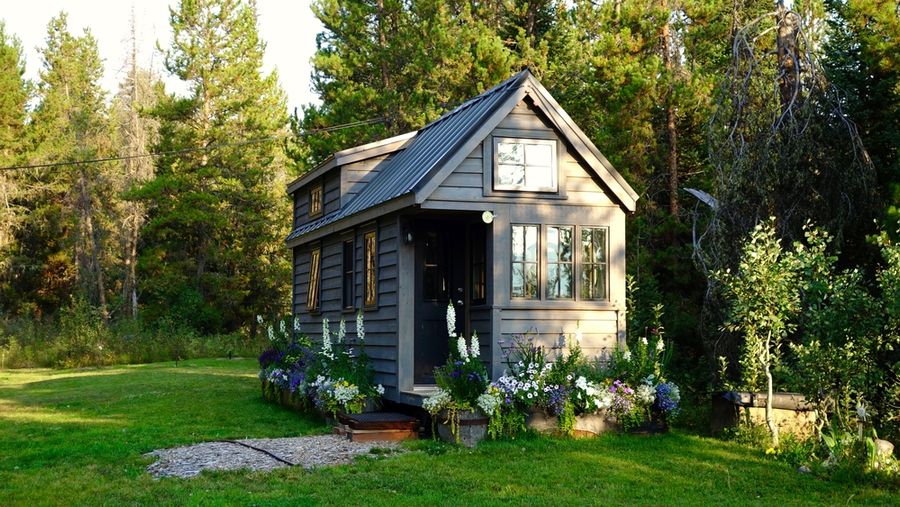
Tiny homes have gained attention across the United States as people look for simpler and more affordable ways to live. Such small living spaces, often much smaller than traditional houses, are promoted as a way to reduce costs, limit clutter, and focus on what truly matters. But while the idea is appealing, many wonder if tiny homes are a practical long-term solution or simply a trend driven by lifestyle preferences and social media.
What Defines a Tiny Home?
A tiny home is typically a residential structure under 400 square feet that is designed for full-time living, not just occasional use. What sets it apart is not only its size, but how every square foot is intentionally planned. Layouts often include lofted sleeping areas, compact kitchens with full appliances, and bathrooms with space-saving fixtures, all built to meet basic living needs within a very limited footprint.
Tiny homes are built either on permanent foundations or on trailers, known as tiny houses on wheels (THOWs). Many are designed with built-in storage, fold-away furniture, and vertical space usage to maximize function. They must also follow certain building codes or RV standards depending on how they are classified. More than just small houses, they are designed around efficiency, mobility in some cases, and a minimalist approach to living.
Why Are Tiny Homes So Popular?
One of the main reasons tiny homes have become popular is the idea of simplicity. Many people are drawn to the concept of owning less and living with only what they truly need. This can create a sense of freedom and reduce the stress that comes with maintaining a larger home.
Tiny homes are also often seen as a way to lower living expenses. With less space to maintain, costs related to utilities and upkeep may be reduced. For some, this makes the idea of homeownership feel more achievable, especially in areas where housing costs are high.
Are Tiny Homes Practical for Everyday Living?
Tiny homes can be practical for certain lifestyles, especially for individuals or couples who do not need a lot of space. They can work well for people who travel often, work remotely, or prefer a minimalist lifestyle.
However, they may not be ideal for everyone. Families or individuals who need more storage, privacy, or workspace may find the limited space challenging. Everyday tasks, such as cooking or hosting guests, can require more planning in a smaller environment.
What Are the Hidden Challenges?
While tiny homes offer benefits, they also come with challenges that are not always obvious at first. Storage is one of the biggest issues. Even with smart design, there is only so much space available, which means careful organization is necessary.
Zoning laws and building regulations can also create complications. Not all areas allow tiny homes, especially those on wheels. Finding a place to legally park or build a tiny home can be more difficult than expected. These factors can limit how practical the option really is.
Do Tiny Homes Support Long-Term Living?
For some people, tiny homes can be a long-term solution. Those who enjoy a simple lifestyle and are comfortable with limited space may find them sustainable over time. The reduced maintenance and smaller footprint can make daily life easier to manage.
For others, the lifestyle may become restrictive. Over time, the lack of space can feel limiting, especially as needs change. What works well in the short term may not always meet long-term needs, particularly for growing families or changing work situations.
Is It a Trend or a Real Shift?
Tiny homes are partly driven by lifestyle trends, including minimalism and a focus on sustainability. Social media has played a role in showcasing creative designs and promoting the idea of living with less.
At the same time, there is a practical side to the movement. Rising housing costs and changing priorities have led many people to explore alternative living options. While not everyone will choose a tiny home, the interest reflects a broader shift toward more flexible and intentional living.
A Lifestyle Choice with Practical Limits
Tiny homes can be both a practical solution and a lifestyle trend, depending on how they are used. They offer a way to simplify life, reduce clutter, and focus on essentials. For some, this can lead to a more balanced and manageable way of living.
However, they are not a perfect fit for everyone. Space limitations, legal challenges, and changing needs can affect their long-term practicality. In the end, tiny homes are best viewed as a flexible option rather than a one-size-fits-all solution.