

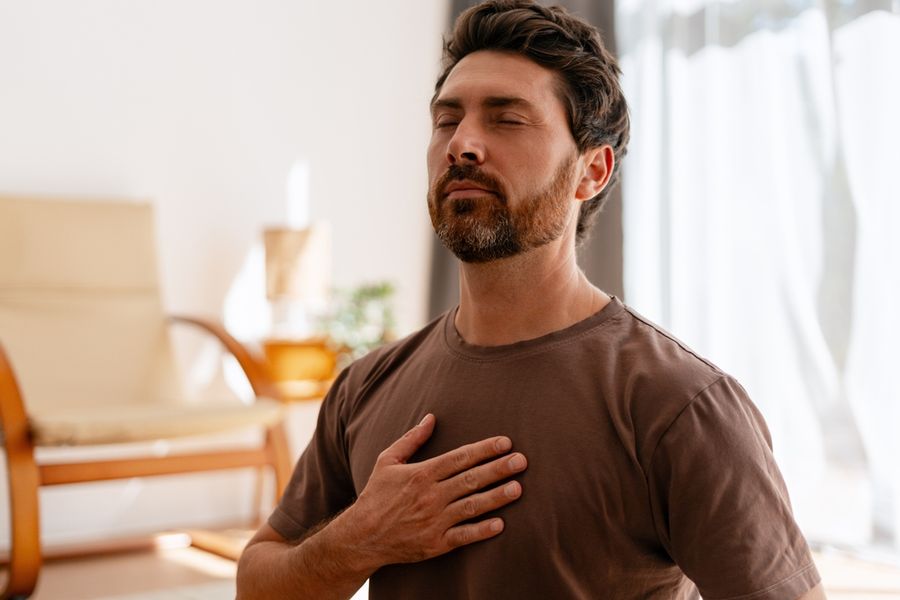
Anxiety is something many people in the United States deal with every day, whether it shows up as racing thoughts, tight muscles, or trouble sleeping. While medication can help, not everyone wants to rely on it. That has led to growing interest in breathwork, a simple practice that focuses on controlled breathing. It's important to understand how something as basic as breathing can really calm anxiety quickly.
What Is Breathwork and Why Does It Matter?
Breathwork is the practice of controlling how you breathe to influence how you feel. It can be as simple as taking slow, deep breaths or following a set pattern, like inhaling for four seconds and exhaling for six. These patterns are designed to calm the body and slow the mind.
The reason breathwork matters is because breathing is directly connected to the nervous system. When you are anxious, your breathing becomes fast and shallow. By slowing it down, you can send a signal to your body that it is safe to relax. This makes breathwork one of the few tools that can affect both the body and the mind at the same time.
How Fast Can Breathwork Reduce Anxiety?
One of the biggest benefits of breathwork is how quickly it can work. Unlike many other strategies, you do not need special equipment or long preparation. In some cases, people feel calmer within a few minutes of focused breathing.
This happens because slow breathing can lower heart rate and reduce physical tension. When your body starts to calm down, your thoughts often follow. While it may not remove anxiety completely, it can take the edge off quickly and make it easier to think clearly in stressful moments.
Which Breathing Techniques Are Most Effective?
There are several types of breathwork, and some are easier for beginners than others. One popular method is box breathing, where you inhale, hold, exhale, and hold again for equal counts. This creates a steady rhythm that can help settle the mind.
Another common technique is extended exhale breathing, where you make your exhale longer than your inhale. This can help slow your heart rate and promote relaxation. Even simple deep breathing, where you focus on filling your lungs fully and breathing out slowly, can make a noticeable difference.
The key is consistency. Practicing regularly, even when you are not anxious, can make these techniques more effective when you really need them.
Are There Any Limits to Breathwork?
While breathwork can be helpful, it is not a complete solution for anxiety. It works best for short-term relief, especially in moments of stress or panic. For ongoing anxiety, other approaches like therapy, lifestyle changes, or medical support may still be needed.
Some people may also find it difficult to focus on breathing when they are highly anxious. In those cases, it can take practice to feel comfortable with the technique. Breathwork is a skill, and like any skill, it improves over time.
Can You Use Breathwork in Daily Life?
One of the biggest advantages of breathwork is how easy it is to use anywhere. You can practice it at your desk, in your car, or even while lying in bed. It does not require privacy or special tools, which makes it very practical for everyday situations.
Many people find it helpful to build breathwork into their routine. A few minutes in the morning or before sleep can create a sense of calm that carries through the day. Over time, this can make it easier to handle stress without feeling overwhelmed.
Can Breathwork Become More Effective Over Time?
Breathwork is often most helpful when it is practiced before anxiety becomes intense. Many people wait until they already feel overwhelmed, but regular practice can make the technique easier to use in stressful moments. When breathing exercises become familiar, the body may respond more quickly because the pattern no longer feels new or awkward.
This is one reason breathwork can be more than a quick fix. A person who practices for a few minutes each day may find it easier to slow down racing thoughts, relax tight muscles, and regain focus when anxiety starts to rise. In that sense, breathwork is not just about immediate relief. It can also become a steady skill that supports better emotional control over time.
A Simple Tool That Works Best with Practice
Breathwork is not a miracle cure, but it is one of the fastest and most accessible ways to reduce anxiety without medication. It can calm the body within minutes, making it a useful tool in stressful situations.
That said, it works best as part of a larger approach to mental health. When combined with good habits and long-term support, breathwork can play a strong role in managing anxiety. It may be simple, but when used regularly, it can make a real difference.