

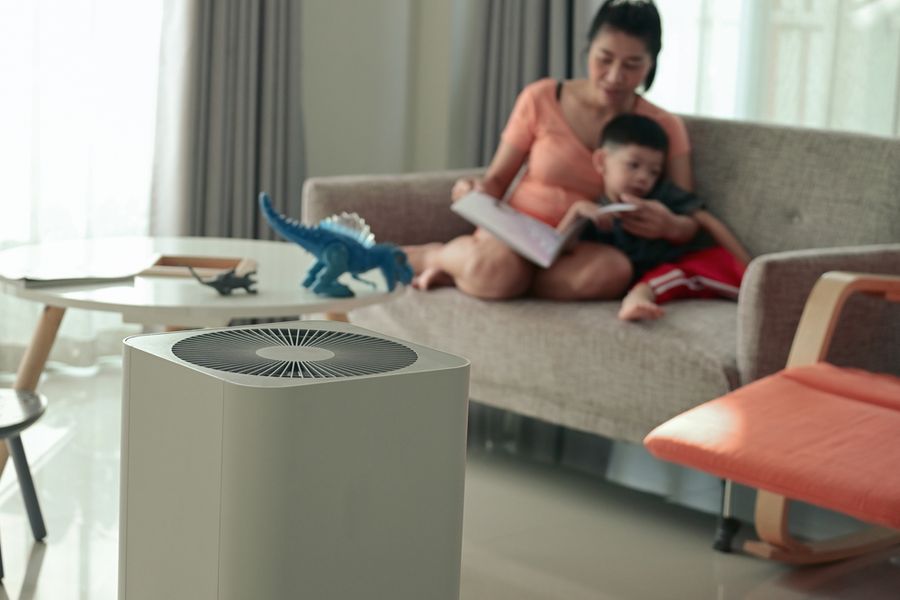
Indoor air quality has become a growing concern for many households across the United States. With more time spent indoors, people are paying closer attention to what they breathe inside their homes. Dust, pet dander, smoke, and other particles can build up over time, especially in closed spaces. Air purifiers are often promoted as a simple way to improve air quality, but it's important to determine whether they're truly necessary or an optional home device.
What Do Air Purifiers Actually Do?
Air purifiers are designed to remove particles from the air. They pull in air, pass it through filters, and release cleaner air back into the room. Many models use high-efficiency filters that can capture small particles like dust, pollen, and pet hair.
Some air purifiers also include features that target odors or certain airborne pollutants. While they do not remove everything from the air, they can reduce the amount of unwanted particles in a space. This can make the air feel cleaner and more comfortable to breathe.
What Affects Indoor Air Quality?
Indoor air quality can vary depending on several factors. Homes with pets, smokers, or high levels of dust may have more particles in the air. Cooking, cleaning products, and even outdoor pollution can also affect indoor air.
Ventilation plays a big role as well. Homes that are tightly sealed to improve energy efficiency may trap more indoor pollutants. In these cases, air does not circulate as easily, which can lead to a buildup of particles over time.
Do Air Purifiers Improve Everyday Living?
Air purifiers can make a noticeable difference in certain situations. People with allergies or sensitivities may find relief when airborne particles are reduced. Cleaner air can also make a space feel fresher, especially in rooms where dust or odors tend to collect.
However, the impact depends on how the device is used. An air purifier placed in a single room will not clean the entire home. It works best in the area where it is located and must run consistently to maintain results. Without regular use, the benefits may be limited.
Are They Necessary for Every Home?
Air purifiers are not essential for every household. Many homes can maintain good air quality through simple steps like regular cleaning, proper ventilation, and reducing sources of indoor pollution. Opening windows, using exhaust fans, and keeping surfaces clean can go a long way.
For people without specific concerns, an air purifier may be more of a convenience than a necessity. It can add an extra layer of support, but it is not always required for maintaining a healthy environment.
Who Benefits the Most?
Certain groups may benefit more from using air purifiers. Individuals with allergies, asthma, or respiratory sensitivities often notice improvements when the air is cleaner. Homes with pets or frequent dust buildup may also see more value in using one.
Air purifiers can also be helpful in areas with higher levels of outdoor pollution or during times when air quality is poor. In these situations, they can provide a more controlled indoor environment.
What Are the Limitations?
Air purifiers have limits that are important to understand. They do not replace cleaning or ventilation. Dust that settles on surfaces still needs to be removed manually, and fresh air is still important for overall indoor quality.
They also require regular maintenance. Filters need to be cleaned or replaced to keep the device working properly. Without this upkeep, performance can decrease over time. Understanding these limits helps set realistic expectations.
What Are Some of the Top Air Purifier Models Today?
Several air purifiers stand out in today’s market for their performance, ease of use, and reliability. Models like the Coway Airmega 200M Air Purifier are often praised for strong filtration and simple controls, making them a solid choice for bedrooms and medium-sized spaces. It uses multi-stage filtration, including a HEPA filter, to capture fine particles like dust and pollen.
For larger rooms or more advanced features, options like the Levoit Core 400S Smart Air Purifier and Blueair Blue Pure 211i Max Air Purifier are frequently recommended. These models offer smart controls, app connectivity, and the ability to handle larger areas, making them more suitable for open living spaces.
Each of these models is designed for different needs, from compact everyday use to whole-room coverage. Choosing the right one often depends on room size, desired features, and how much control you want over your indoor air quality.
A Helpful Option, Not a Requirement
Air purifiers can improve indoor air quality in certain situations, especially for those with allergies or specific concerns. They offer a simple way to reduce airborne particles and create a more comfortable living space.
However, they are not necessary for every home. Good cleaning habits, proper ventilation, and mindful use of indoor products can often achieve similar results. For most people, air purifiers are a helpful option rather than a must-have for modern indoor living.