

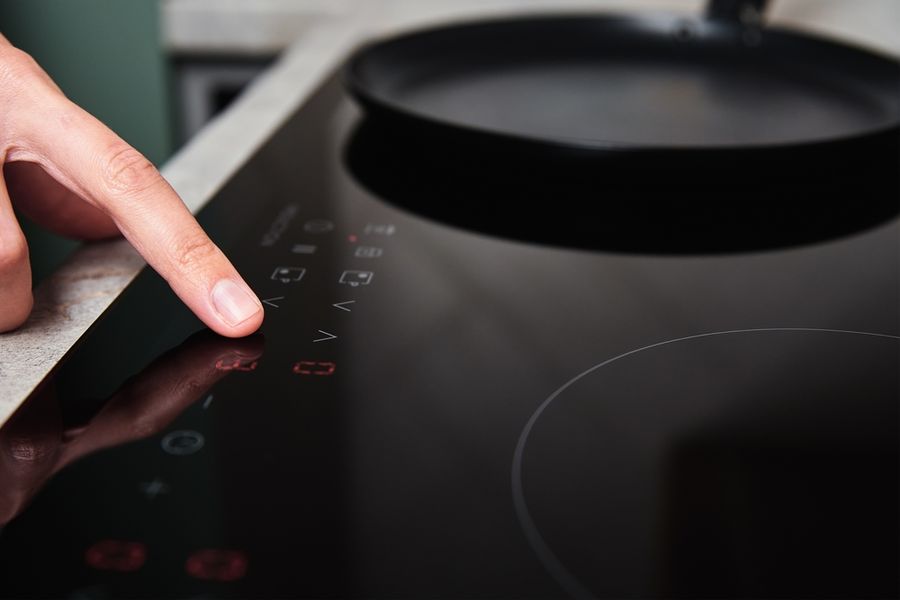
Cooking technology has come a long way, and kitchens across the United States are starting to reflect that change. One of the most talked-about upgrades is induction cooking, a method that uses electricity and magnetic energy instead of open flames or heated coils. Many people are drawn to its promise of faster cooking and improved safety. Understand whether induction cooking is truly the future of modern kitchens, or just another option with its own set of trade-offs.
How Does Induction Cooking Work?
Induction cooking works by using magnetic energy to heat pots and pans directly. Instead of heating the surface of the stove, the energy transfers straight into the cookware. This means the pan becomes the source of heat, not the burner itself.
Because of this process, the cooking surface stays much cooler than traditional stoves. Heat is generated only where it is needed, which makes the system more efficient. However, induction requires compatible cookware, usually made from materials like stainless steel or cast iron.
Is Induction Cooking Faster?
One of the biggest advantages of induction cooking is speed. Since heat is delivered directly to the pan, it can bring water to a boil or heat food much faster than traditional electric or gas stoves. There is less wasted energy, which helps reduce cooking time.
The ability to adjust heat levels quickly also adds to this efficiency. When you change the setting, the temperature responds almost instantly. This level of control can make cooking more precise and easier to manage, especially for tasks that require steady heat.
How Safe Is It Compared to Other Methods?
Safety is a major reason why many people consider induction cooking. Because the surface does not get as hot, there is a lower risk of burns. If there is no pan on the burner, no heat is produced, which adds another layer of protection.
There is also no open flame, which reduces the risk of fire hazards. This can be especially important in households with children or pets. While caution is still needed, the overall design of induction cooking tends to create a safer cooking environment.
What Are the Limitations?
Despite its benefits, induction cooking does have some limitations. One of the main challenges is the need for compatible cookware. Not all pots and pans will work, which may require some adjustments in the kitchen.
Another factor is the learning curve. People who are used to gas or traditional electric stoves may need time to get comfortable with the different heat response. In addition, power outages will stop an induction stove from working, which is not an issue with gas models.
Is It Practical for Everyday Use?
Induction cooking can be very practical for daily use once you are familiar with it. Its speed and control can make everyday tasks like boiling, sautéing, and simmering more efficient. The easy-to-clean surface is another advantage, as spills are less likely to burn onto the cooktop.
However, practicality also depends on personal preference. Some people enjoy the visual and tactile aspects of cooking with a flame, which induction does not provide. Others may prefer the simplicity of traditional methods they are already used to.
How Does It Fit Into Modern Kitchens?
As kitchens become more focused on efficiency and safety, induction cooking fits well into modern design trends. It offers a clean, minimal look and often integrates easily into contemporary spaces. The technology also aligns with the growing interest in energy-efficient appliances.
For households looking to update their kitchens, induction can be a forward-looking option. It reflects a shift toward smarter and more controlled cooking methods, which may become more common over time.
Upgrading to induction can involve additional costs beyond the cooktop itself, especially if electrical systems need to be updated to support higher power requirements. Some households may also need to replace incompatible cookware, which can add to the overall investment when making the switch.
A Strong Step Toward Smarter Cooking
Induction cooking offers clear advantages in speed, safety, and efficiency, making it a strong contender for the future of kitchens. It simplifies many aspects of cooking while reducing common risks associated with traditional methods.
However, it is not without its challenges, including the need for compatible cookware and an adjustment period. For many households, it represents a meaningful upgrade, but whether it becomes the standard will depend on individual needs and preferences.