
Remote work has become a normal part of life for many people in the United States. What started as a temporary solution has turned into a long-term shift in how work gets done. For some, working from home offers more freedom and flexibility. For others, it creates new challenges that make it harder to separate work from personal life. Understand whether remote work truly improves work-life balance, or makes the lines between work and home harder to manage.
The Flexibility Advantage of Remote Work
One of the biggest benefits of remote work is flexibility. Without a daily commute, people often gain extra time in their day. This time can be used for personal tasks, family responsibilities, or simply getting more rest.
Remote work also allows for more control over your schedule. Many workers can adjust their hours to fit their needs, which can make it easier to manage both work and personal life. This flexibility can reduce stress and create a better sense of balance, especially for those with busy households or changing schedules.
When Work Starts to Take Over
While flexibility can be helpful, it can also create new problems. Without clear boundaries, work can begin to take over personal time. It becomes easy to check emails late at night or finish tasks outside of regular hours.
The lack of separation between home and work spaces can make it harder to “switch off.” When your workspace is also your living space, it can feel like work is always present. Over time, this can lead to longer work hours and increased mental fatigue.
The Impact on Mental Focus and Stress
Remote work can affect mental focus in both positive and negative ways. On one hand, fewer office distractions can make it easier to concentrate on tasks. Many people find they can work more efficiently in a quiet, familiar environment.
On the other hand, home environments come with their own distractions. Household chores, family members, and personal responsibilities can interrupt the workday. This can create a feeling of being pulled in multiple directions, which may increase stress rather than reduce it.
Social Connection and Isolation
Another important factor is social interaction. In a traditional workplace, people have regular face-to-face contact with coworkers. This can provide a sense of connection and support throughout the day.
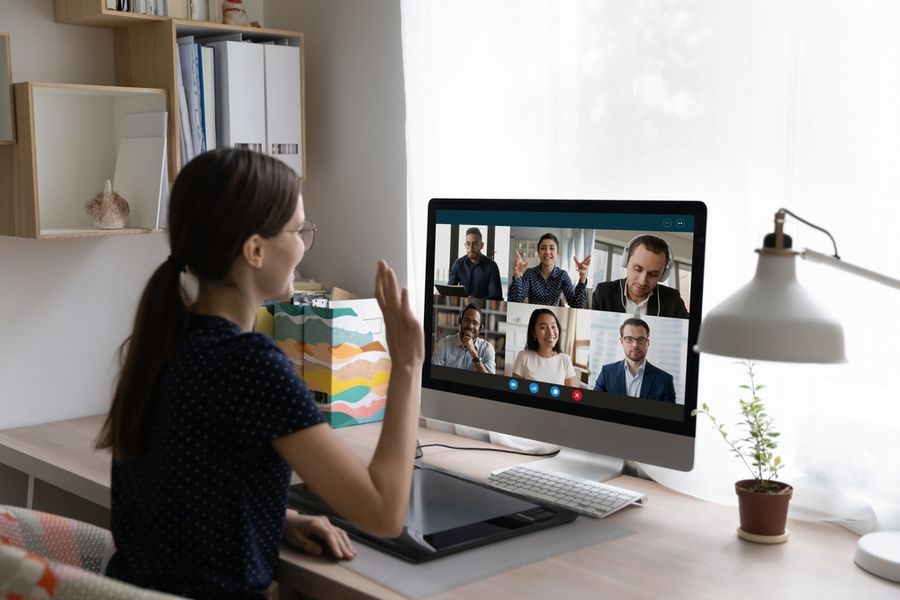
Remote work often reduces these interactions. While video calls and messaging tools help, they may not fully replace in-person communication. Some people may feel isolated over time, which can affect both mood and motivation. This lack of connection can make it harder to maintain a healthy work-life balance.
Can Remote Work Truly Improve Balance?
Remote work has the potential to improve work-life balance, but it depends on how it is managed. Setting clear boundaries is key. This can include having a set start and end time for work, as well as a dedicated workspace if possible.
Taking regular breaks and creating routines can also help. For example, starting the day with a short walk or ending it with a simple activity can signal the transition between work and personal time. These small habits can make a big difference in maintaining balance.
What Role Does Personal Discipline Play?
Personal discipline plays a large role in how remote work affects your life. Without the structure of an office, it is up to each person to manage their time and workload. This can be empowering, but it also requires effort and consistency.
Learning to disconnect from work is just as important as staying productive during work hours. Setting limits, such as turning off notifications after a certain time, can help create a healthier routine. Over time, these habits can prevent work from spilling into every part of the day.
A Balance That Depends on Boundaries
Remote work is neither entirely positive nor entirely negative when it comes to work-life balance. It offers flexibility and convenience, but it also introduces new challenges that can blur the line between work and personal life.
The key to making it work lies in setting clear boundaries and building strong habits. When managed well, remote work can support a more balanced lifestyle. Without those boundaries, however, it can easily lead to longer hours and increased stress.