

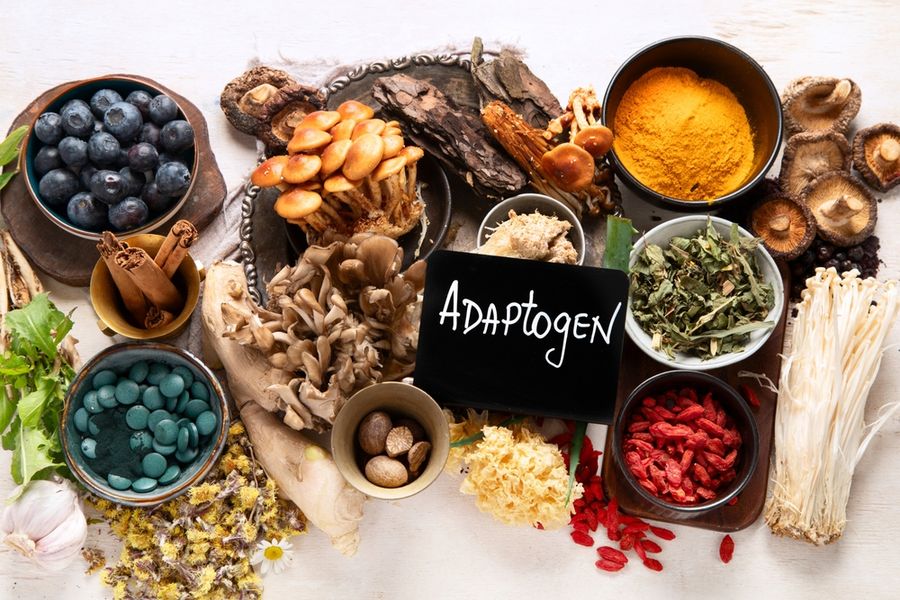
Busy schedules, lack of sleep, work pressure, and constant screen time can leave many Americans feeling mentally and physically drained. As a result, natural stress support has become a major focus in the wellness world. Adaptogen supplements are often promoted as a simple answer. They are said to help the body handle stress more smoothly. But are they truly a helpful tool, or are they being asked to do more than they realistically can?
What Are Adaptogens and Why Are They So Popular?
Adaptogens are herbs, roots, and plant-based substances that are believed to help the body respond to stress in a more balanced way. Common examples include ashwagandha, rhodiola, holy basil, and ginseng. These ingredients have been used in traditional health practices for many years, and now they are widely sold in capsules, powders, teas, and drink mixes.
Part of their appeal is simple: they sound like a natural middle ground. Many people do not want to ignore stress, but they also do not want to rely on strong solutions for every problem. Adaptogens are marketed as something gentle and supportive, which makes them attractive to people looking for small daily habits that may help them feel calmer, steadier, or more focused.
How Are Adaptogens Supposed to Work?
The basic idea behind adaptogens is that they help the body stay more stable during periods of physical or emotional stress. Instead of acting like a stimulant that forces energy up, or a sedative that pushes the body down, they are often described as helping the body adjust. In theory, this could mean feeling less overwhelmed during stressful periods or recovering more easily after them.
That said, adaptogens are not magic. They do not remove the cause of stress, and they do not suddenly change an unhealthy lifestyle into a healthy one. They may support the body’s response, but they are still only one piece of a much larger picture. Sleep, diet, movement, and mental habits still matter far more than any single supplement ever will.
Can Adaptogens Really Help Reduce Stress?
Some people who use adaptogens say they feel calmer, less tense, or more emotionally balanced. Others say they notice better focus or less mental fatigue during busy days. These effects may be why adaptogens continue to grow in popularity. For people under steady low-to-moderate stress, even a small improvement can feel meaningful.
Still, results vary widely. One person may feel a clear benefit, while another may feel no change at all. This can happen for many reasons, including body chemistry, stress level, sleep quality, diet, and the specific product being used. Adaptogens are not a guaranteed answer, and they usually do not create instant results. In many cases, people expect too much too fast, then assume the supplement failed.
Which Adaptogens Are Most Common?
Ashwagandha is one of the best-known adaptogens and is often linked to stress support and relaxation. Rhodiola is more often associated with energy, stamina, and mental clarity. Holy basil is commonly viewed as calming, while ginseng is often connected to overall vitality and endurance. Each one tends to be marketed a little differently, even though all are placed under the same broad adaptogen label.
This can make shopping confusing. Two products may both be sold as stress support, yet contain completely different ingredients and aim for different results. Someone who wants help winding down may not want the same product as someone looking for support with mental focus during a demanding workday. Understanding that adaptogens are not all the same is an important first step.
Are There Risks or Downsides?
Because adaptogens are plant-based, some people assume they are completely safe in every situation. That is not always true. Even natural supplements can cause side effects, especially if taken in large amounts or mixed with other products. Some people may notice stomach upset, headaches, changes in sleep, or feeling unusually alert or tired depending on the ingredient.
There is also the issue of expectations. A person under heavy stress may turn to adaptogens while ignoring larger problems like burnout, poor sleep, or constant overwork. In that situation, the supplement may become more of a distraction than a solution. Adaptogens may support the body, but they cannot fix a lifestyle that is constantly pushing past healthy limits.
A Support Tool, Not a Stress Cure
Adaptogen supplements may help some people manage stress more naturally, but they are not the key to stress relief on their own. Their biggest strength is that they may offer gentle support as part of a larger routine. Their biggest weakness is that they are often marketed as if they can solve problems that are much bigger than any supplement.
For most people, the smartest way to view adaptogens is as a possible extra tool, not the main answer. If they help you feel steadier, calmer, or more focused, they may have a place in your routine. But long-term stress management still depends on the basics: sleep, recovery, movement, and a life that leaves enough room to breathe.